Asphalt vs. Concrete in Nampa: Which Is the Better Choice for Driveways and Parking Lots?
Choosing the right paving material is one of the most important decisions property owners make. In Nampa's climate conditions, installation timelines, long-term maintenance, and cost all play a major role in whether asphalt or concrete is the better option.
Both materials are widely used throughout the Boise and Nampa areas, but they perform very differently over time. This guide breaks down the key differences to help property owners make a confident, informed choice.
Initial Cost and Installation Timeline
Asphalt: Faster Installation, Lower Upfront Cost
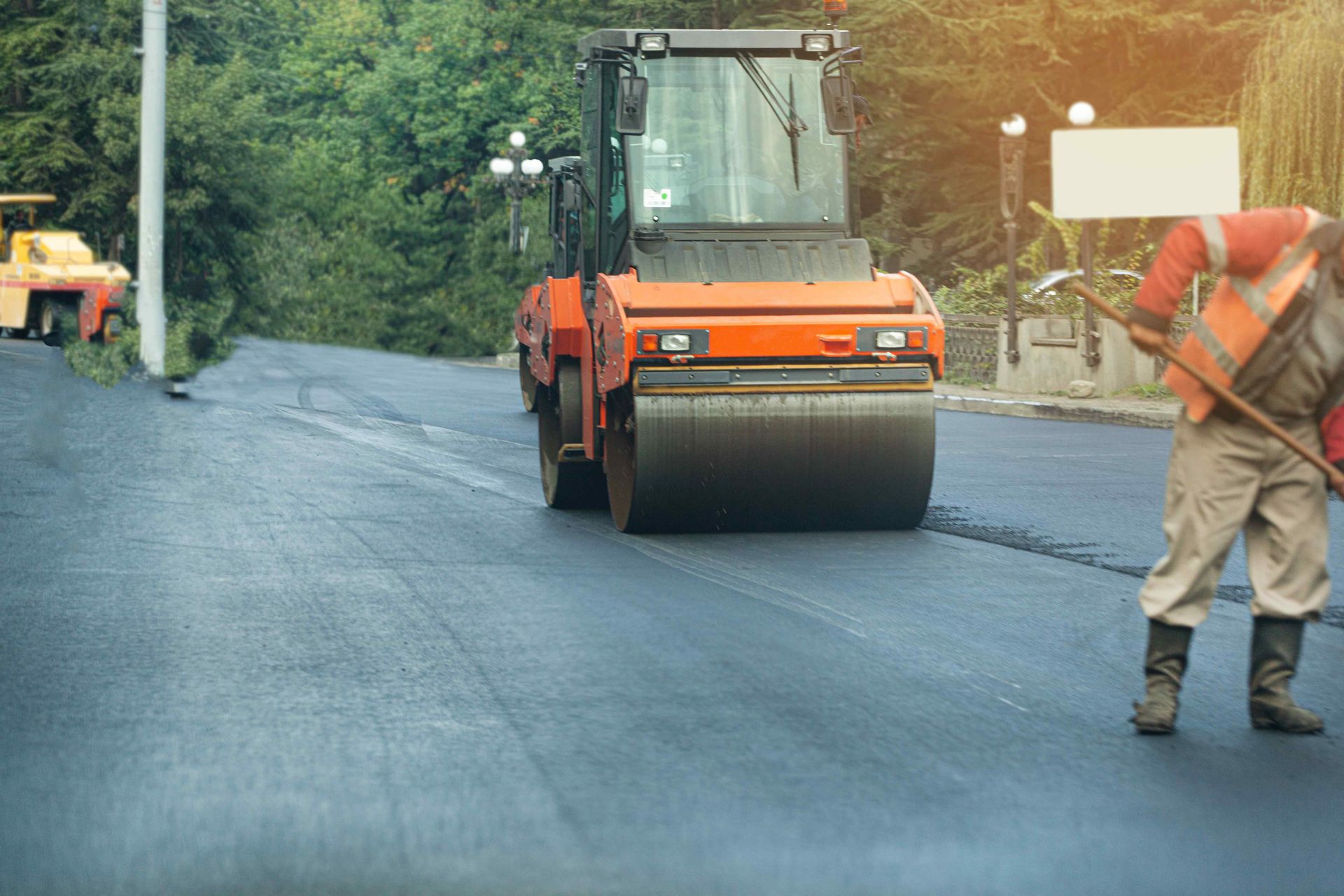
Asphalt typically has a lower initial cost than concrete and can be installed quickly—often within one to two days for most projects. This makes it especially attractive for parking lots, commercial properties, and projects where minimizing downtime is critical.
Concrete: Higher Cost, Longer Cure Time
Concrete generally costs more upfront and requires extended curing time before it can be used. While it offers durability, the longer installation window can be disruptive for businesses and high-traffic properties.
Nampa takeaway: Asphalt is often the more practical choice when speed, flexibility, and budget control matter.
Performance in Boise’s Climate
Freeze–Thaw Cycles
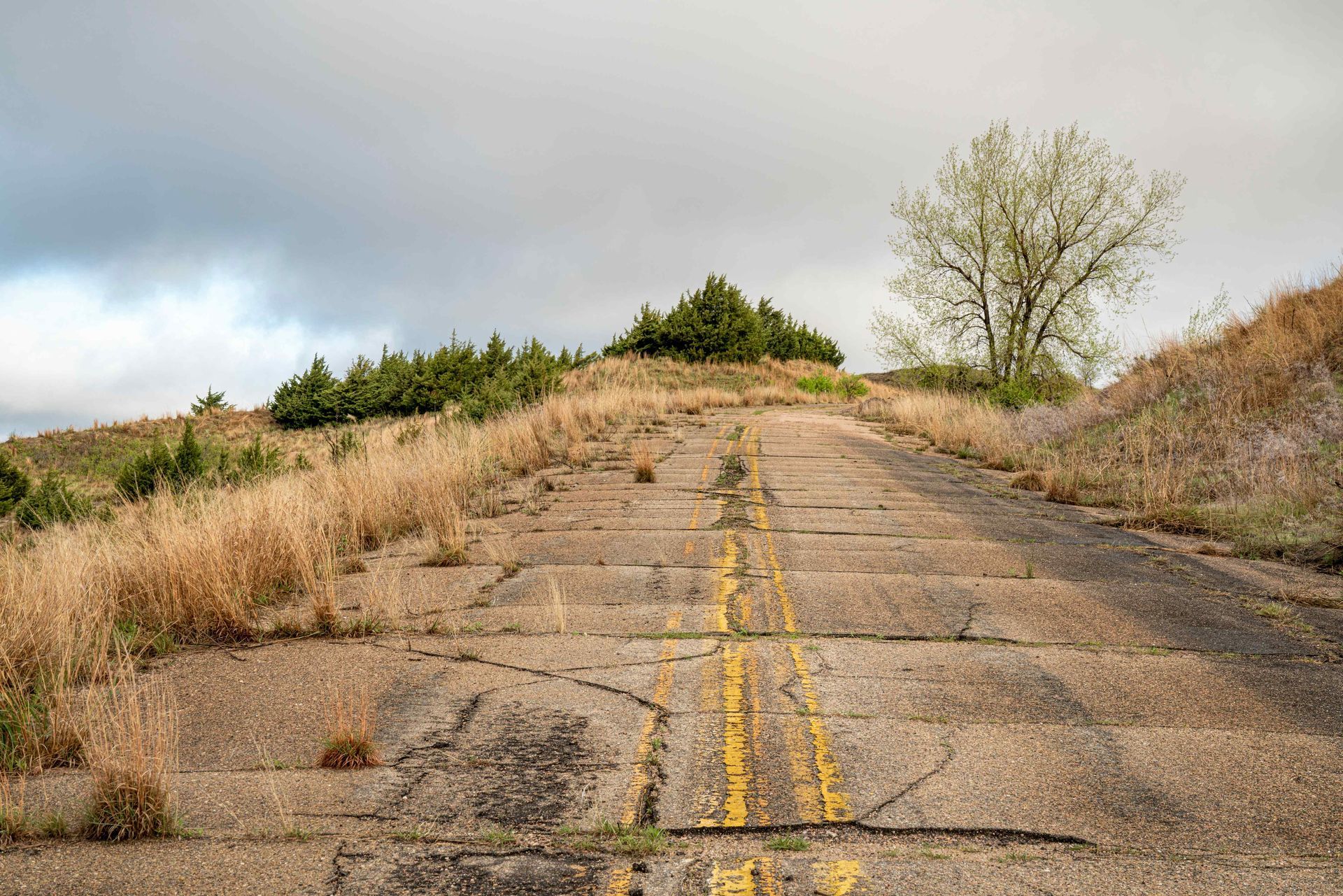
Boise’s winters create frequent freeze–thaw conditions. Asphalt is flexible and can expand and contract with temperature changes, while concrete is rigid and more prone to cracking under thermal stress.
Summer Heat
Concrete reflects heat and remains structurally stable in high temperatures, but asphalt—when properly installed and maintained—performs reliably and resists deformation under Nampa’s summer conditions.
Boise takeaway: Asphalt’s flexibility gives it a performance advantage in areas with frequent temperature swings.
Maintenance and Repair Considerations
Asphalt Maintenance
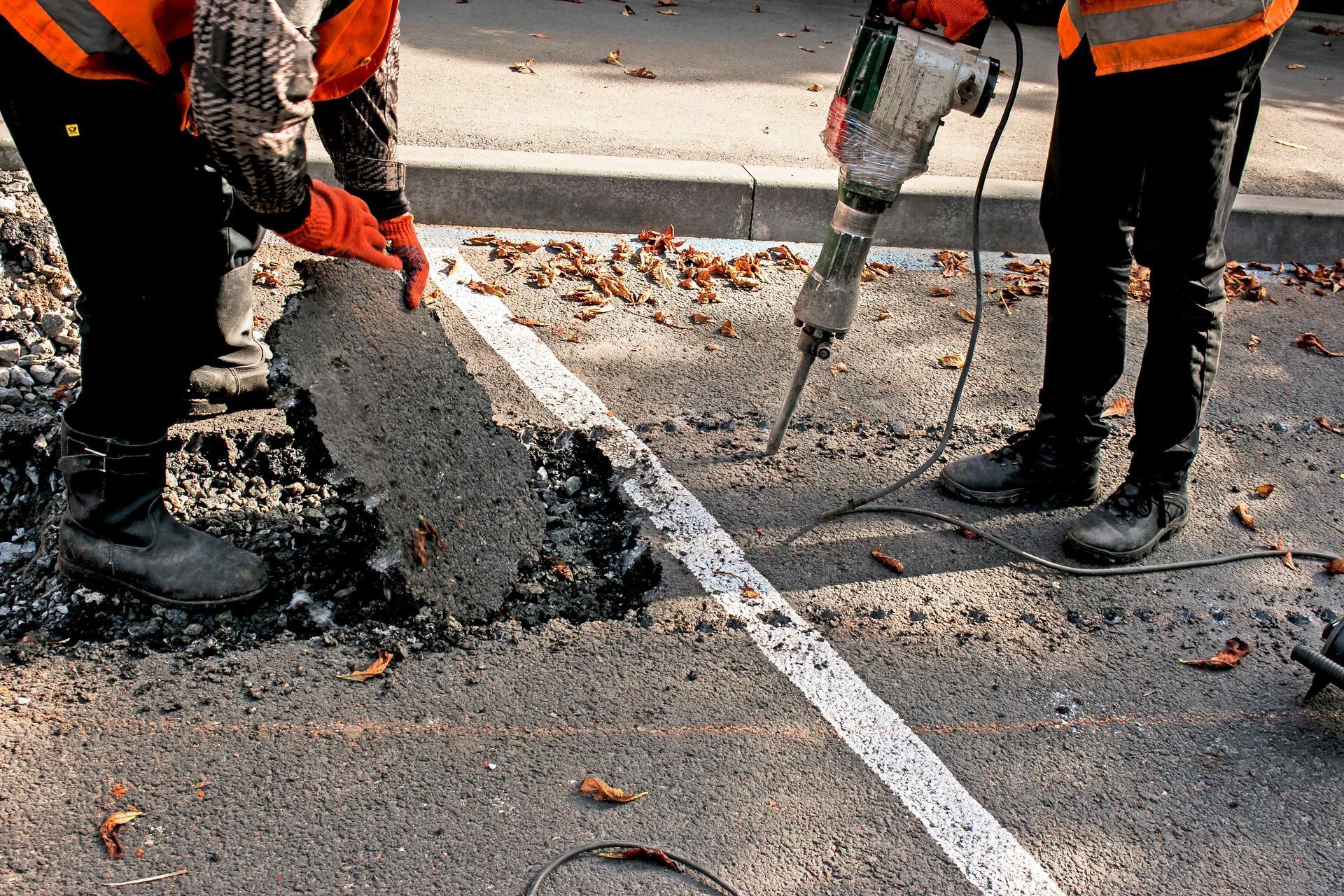
- Crack sealing and seal coating protect against moisture and UV damage
- Repairs are typically localized and cost-effective
- Maintenance extends pavement life significantly
Concrete Maintenance
- Cracks are harder to repair invisibly
- Repairs often require panel replacement
- Maintenance costs are less frequent but higher when needed
Nampa takeaway: Asphalt is easier and more economical to maintain over time.
Longevity and Lifecycle Cost
Concrete can last longer in ideal conditions, but asphalt’s lower repair costs and easier rehabilitation often result in a lower total cost of ownership, especially for large paved areas.
With proper maintenance, asphalt commonly lasts 20–30 years in Nampa.
Best Use Cases for Each Material
Asphalt is ideal for:
- Parking lots
- Driveways
- Roadways and access lanes
- Commercial and industrial properties
Concrete may be appropriate for:
- Decorative residential applications
- Sidewalks and curbs
- Low-traffic specialty areas
Final Verdict for Nampa Property Owners
For most driveways and parking lots in Boise,
asphalt offers the best balance of cost, performance, flexibility, and repairability. Concrete may work for specific applications, but asphalt remains the preferred paving solution for the majority of local properties.